Greenwich Peninsula Ecology Park
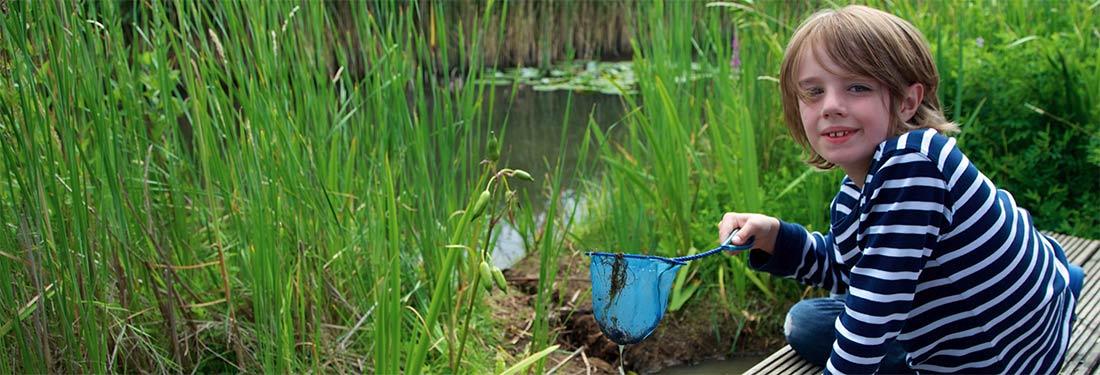
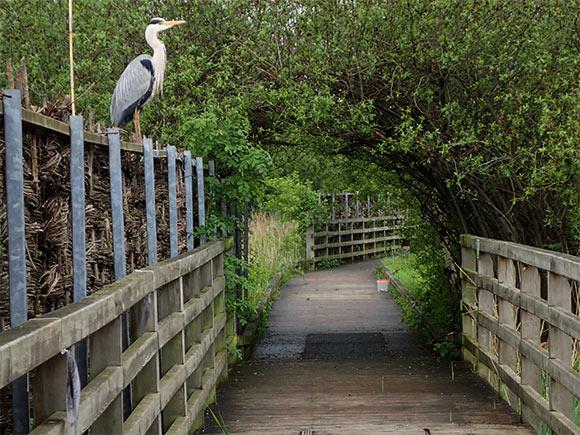
A compact freshwater wetland reserve beside the Thames Path, Greenwich Peninsula Ecology Park offers boardwalks, bird hides and a close-up look at urban wildlife. It is a particularly worthwhile stop for birdwatchers, families and anyone wanting a quieter, nature-focused contrast to the busy O2 and surrounding peninsula.
About Greenwich Peninsula Ecology Park
Worth knowing
Why visit?
Go for a short, purposeful wildlife visit rather than a conventional park stroll. The freshwater lakes, reed beds and boardwalks create good conditions for spotting water birds, insects and wetland plants, while the bird hides offer quieter observation points. It is free to enter, close to North Greenwich and easy to combine with the Thames Path or other Greenwich Peninsula attractions. The contrast is the main appeal: within minutes of the O2, busy roads and new developments, the reserve feels enclosed, calm and focused on habitat. Families can use it as an accessible introduction to urban ecology, while photographers and regular local walkers may enjoy returning in different seasons.
History & character
The ecology park was created in the late 1990s and early 2000s as part of the regeneration of the Greenwich Peninsula. Its site formed part of a much larger industrial landscape associated with the peninsula’s gasworks, steel storage and other heavy industries. Reclamation works helped transform previously derelict land into a wetland landscape designed to reflect aspects of the peninsula’s original marshland character. The park became part of the early Greenwich Millennium Village development and was planned alongside other new green spaces, including Southern Park and the riverside walk. Its lakes, reed beds, wet meadow and woodland are therefore both wildlife habitat and an example of ecological landscape design within a major urban regeneration scheme. The reserve’s history is especially relevant locally because it demonstrates how former industrial land on the peninsula has been reshaped for housing, public access and biodiversity as well as commercial use.
Gallery
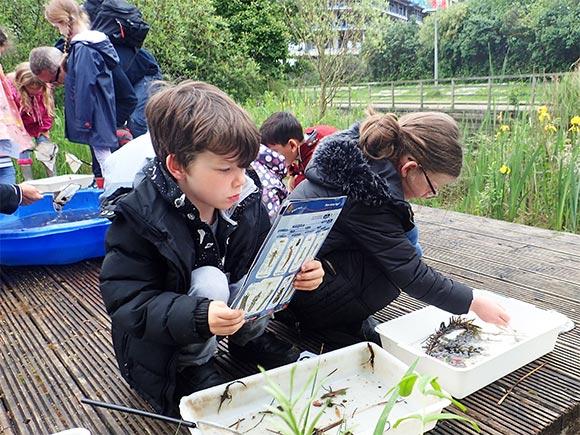
Images are shown with source/photographer credit where supplied.

Useful visitor tips
Frequently asked questions
Is Greenwich Peninsula Ecology Park free to visit?
Yes. The official visitor information says entry is free and that visitors do not need to book in advance. Access is through the Gatehouse beside the Thames Path. Because the Land Trust currently reports repair work affecting the outer boardwalk, it is sensible to check the latest access position before travelling.
When is Greenwich Peninsula Ecology Park open?
The official visitor page lists the inner Ecology Park as open Wednesday to Sunday from 10am to 5pm. The Land Trust notes that it may close at dusk if that is earlier. The park is closed to ordinary public visits on Mondays and Tuesdays, although arrangements for organised groups may differ.
Are dogs allowed at Greenwich Peninsula Ecology Park?
No. Dogs are not permitted in the inner park or along the outer boardwalk, apart from guide dogs and assistance or disability dogs. This is a nature reserve with sensitive wetland habitats, so dogs should not be brought for a walk around the site.
Is the park suitable for wheelchairs and buggies?
The boardwalks are generally suitable for wheelchairs and buggies, and step-free access is available at the most accessible entrance. However, the route includes slopes, a steep ramp near the Gatehouse, narrow sections and potentially uneven or slippery surfaces. Pushchair users may be asked to fold buggies in tighter areas.
Are there toilets at the ecology park?
Yes. Toilets are available at the Gatehouse during opening days, including an adapted toilet. Parent-and-baby changing facilities are reported within the adapted toilet. The standard toilets have stepped access, so visitors requiring step-free facilities should use the adapted toilet.
How do I get to Greenwich Peninsula Ecology Park by public transport?
The easiest public transport option is North Greenwich Underground station on the Jubilee line, followed by a walk of roughly 10 to 15 minutes along the Thames Path. A number of buses serve North Greenwich station and Millennium Village Oval Square, including routes 108, 129, 132, 161, 180, 188, 335, 422, 486 and SL11.
Can I park at Greenwich Peninsula Ecology Park?
There is no dedicated car park at the ecology park. Limited on-street parking is identified on John Harrison Way and Peartree Way, including Blue Badge bays on John Harrison Way. Larger paid car parks near The O2 are separate facilities and may involve a longer walk; check current charges and restrictions before driving.