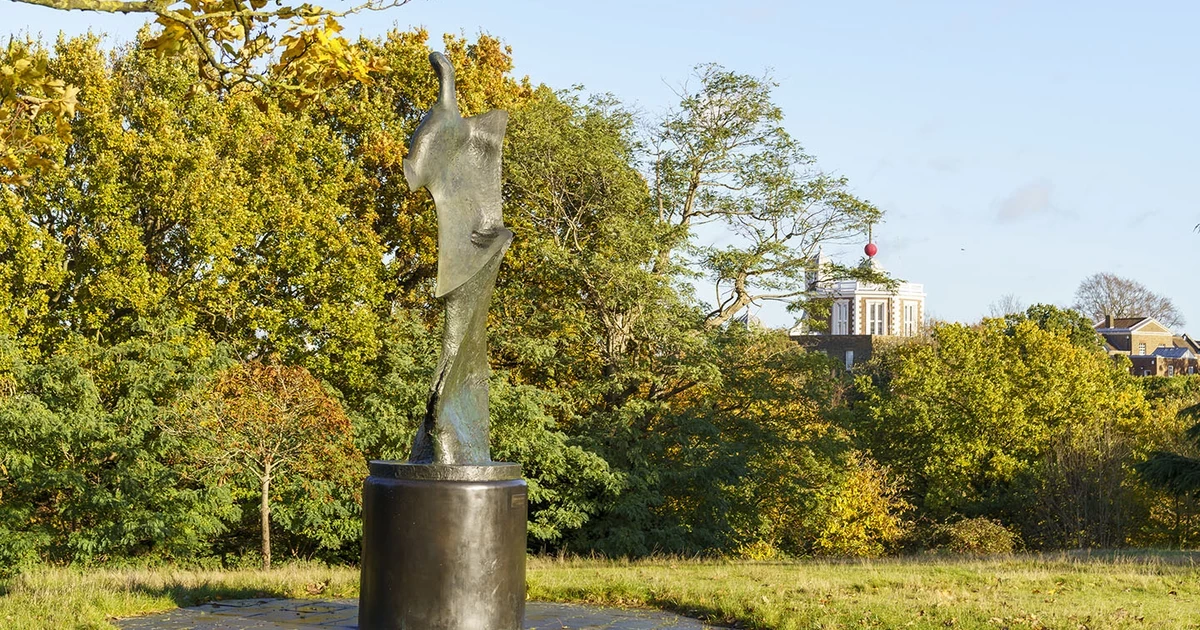
Statue of General James Wolfe
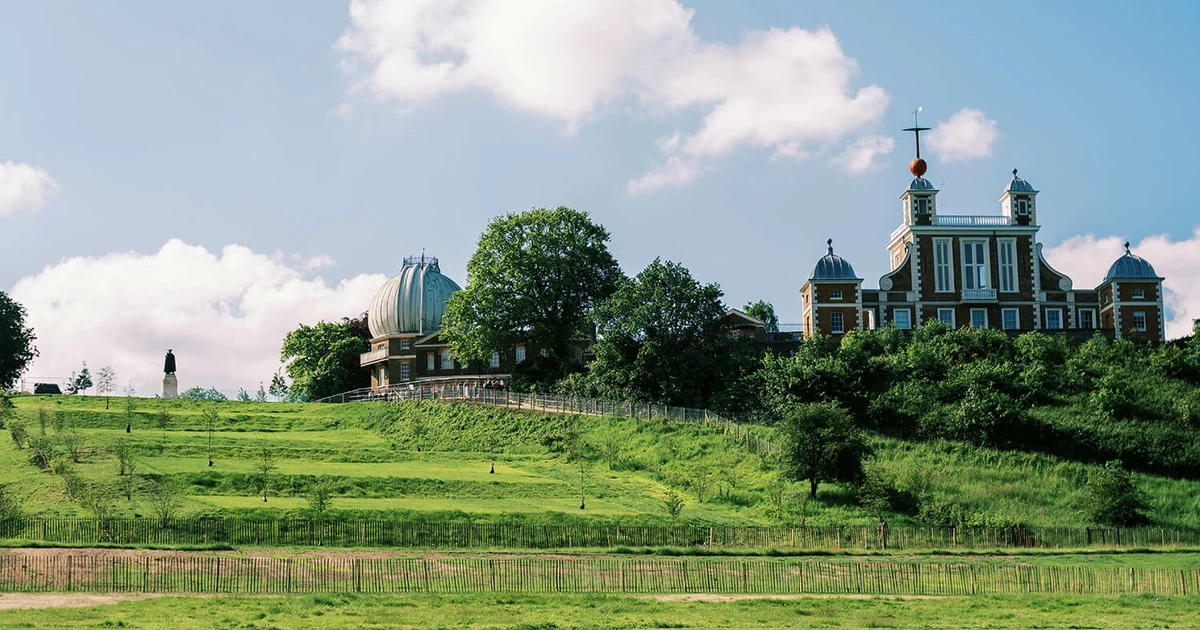
A Grade II listed statue of General James Wolfe stands beside the Royal Observatory at the top of Greenwich Park. It combines a significant local and Canadian historical connection with one of southeast London’s best viewpoints, looking across the Thames towards Canary Wharf, the City and beyond.
About Statue of General James Wolfe
Worth knowing
Why visit?
Visit for the combination of a listed historic monument, a dramatic London panorama and a useful starting point for exploring Greenwich Park. The statue sits at the top of the Grand Ascent beside the Royal Observatory, so it is easy to pair with the Meridian Line, Queen’s House, the Old Royal Naval College and the park’s formal gardens. The surrounding viewing platform is particularly rewarding in clear weather, while the monument’s Canadian origins and surviving wartime damage add interest for visitors who look beyond the skyline.
History & character
James Wolfe lived in Greenwich after his family moved to the area in the eighteenth century, and his parents’ home stood near the edge of Greenwich Park. He led British forces to victory at the Battle of Quebec in 1759, a campaign that helped bring New France under British control; Wolfe died from wounds received during the battle and was later buried at St Alfege Church in Greenwich. The present monument was created by Canadian sculptor Dr Robert Tait McKenzie and installed in 1930 as a gift from Canada. It was unveiled by the Marquis de Montcalm, a descendant of Wolfe’s French opponent at Quebec. The statue is Grade II listed. Its plinth retains pitting linked to nearby bomb damage during the Second World War. Today, the monument is best understood alongside the contested histories of empire, the French and British struggle for Canada, and the role of First Nations communities in the conflict.
Gallery
Images are shown with source/photographer credit where supplied.
Visitor themes
What visitors commonly mention
Visitors commonly treat the statue as a viewpoint as much as a heritage monument. Recurring themes include wide views towards Canary Wharf, the City, the Thames and the O2, along with appreciation of the open space around the platform. Many visitors mention the steep climb up Greenwich Park, but generally consider the panorama worth the effort. Some note that the area remains comfortable even when busy, while wet weather can make uphill and downhill surfaces more difficult, particularly for buggies. The statue’s connection with Wolfe’s Quebec victory is also frequently noticed, although the surrounding landscape and skyline are usually the main reason people stop.
This section summarises recurring visitor themes; it is not an endorsement by Welcome to Blackheath & Greenwich.
Useful visitor tips
Frequently asked questions
Is the General Wolfe statue free to visit?
Yes. The statue stands outdoors in Greenwich Park and does not require an admission ticket or reservation. If you also visit the Royal Observatory, its indoor attractions may have separate admission arrangements, so treat the statue and Observatory as separate parts of the visit.
What are the opening hours?
The statue is accessible as part of Greenwich Park’s public opening hours. Royal Parks lists pedestrian gates from 6am until dusk, with closing times changing through the year. Vehicle gates open from 7am until dusk. Temporary closures, events or maintenance may affect access.
Are dogs allowed at the statue?
Dogs are generally allowed in Greenwich Park and usually do not need to be on a lead, provided they remain under control. However, the park includes signed dog-free zones. Because the viewpoint can be busy, keeping a dog on a lead near the statue is sensible.
Is the statue suitable for children and buggies?
It is suitable as part of a family visit, but the climb to the summit is steep and some routes include steps. The playground is elsewhere in Greenwich Park. Buggies may be difficult on the hill, especially after rain. A seasonal mobility buggy service can assist with the main slopes on selected days.
Where are the nearest toilets?
There are no toilets at the statue itself. Greenwich Park provides public and accessible toilets at locations including Blackheath Gate, Lower Avenue and the playground. A Changing Places toilet is available at the Ignatius Sancho Café. Facilities are spread across the park, so plan ahead before climbing to the summit.
How do I reach the statue by public transport?
The nearest mainline stations are Greenwich and Maze Hill, while Blackheath is useful for the Blackheath Gate approach. Greenwich and nearby Cutty Sark are DLR stations. There is no Underground station within easy reach. From any entrance, expect an uphill walk to the Royal Observatory and statue.
Can I park near the General Wolfe statue?
Park parking is accessed through Blackheath Gate, not directly beside the statue. Royal Parks states that parking is charged from 9am to 6pm daily, with a four-hour maximum stay. Blue Badge parking is free within the stated time limit. Check current signs and access conditions before leaving your vehicle.