The Westcombe Woodlands
Nature & WildlifeFREE TO VISIT

The Westcombe Woodlands

Greenwich5.0 · 6 Google ratings

A small, volunteer-managed nature reserve tucked between Maze Hill and Vanbrugh Hill. The Westcombe Woodlands is a steep, semi-wild urban woodland with a glade, pond, mature trees and varied ground flora, but access is limited to supervised open days and volunteer activities.

nature loverslocal wildlifeseasonal walksfamilies at open dayscommunity conservationurban wilderness

About The Westcombe Woodlands

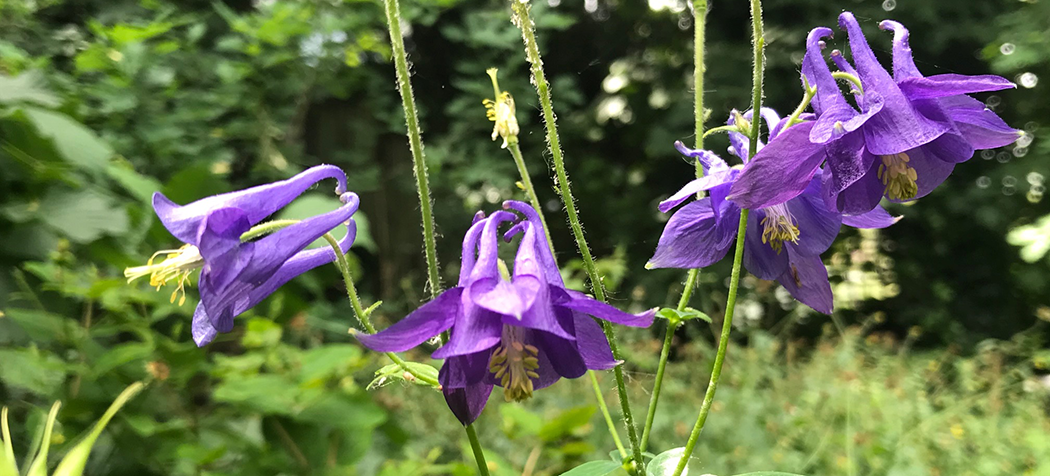
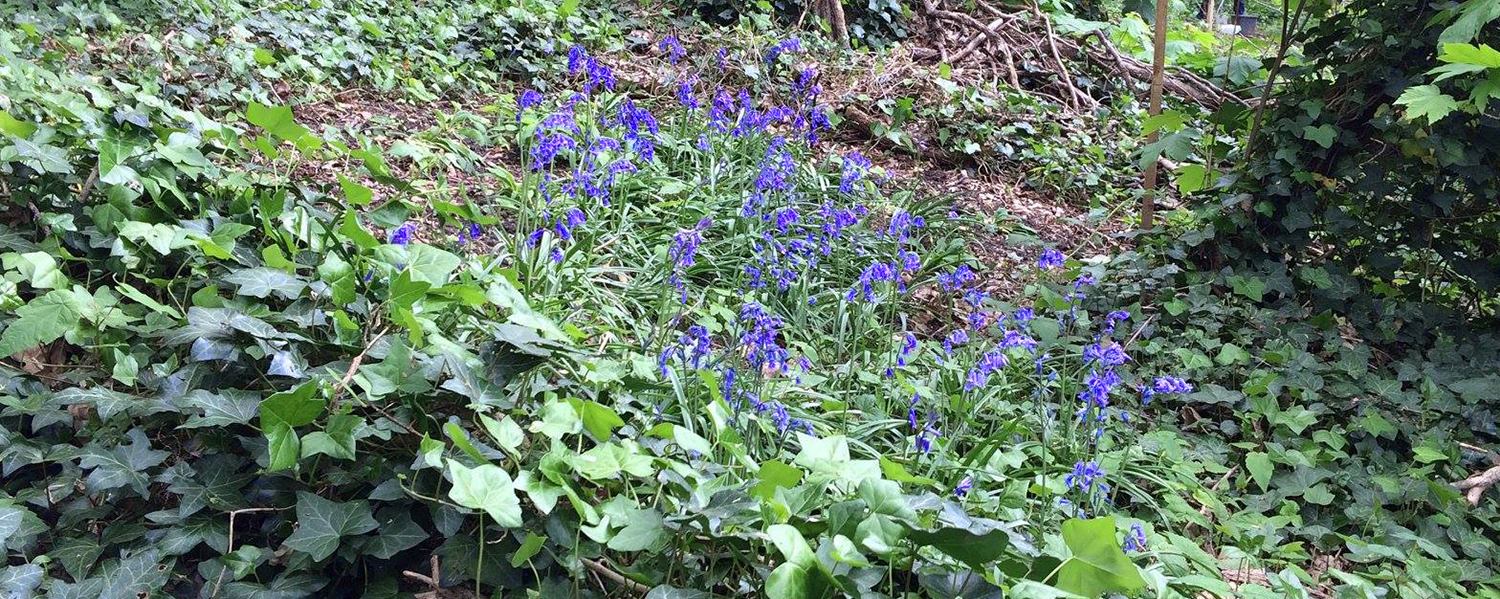
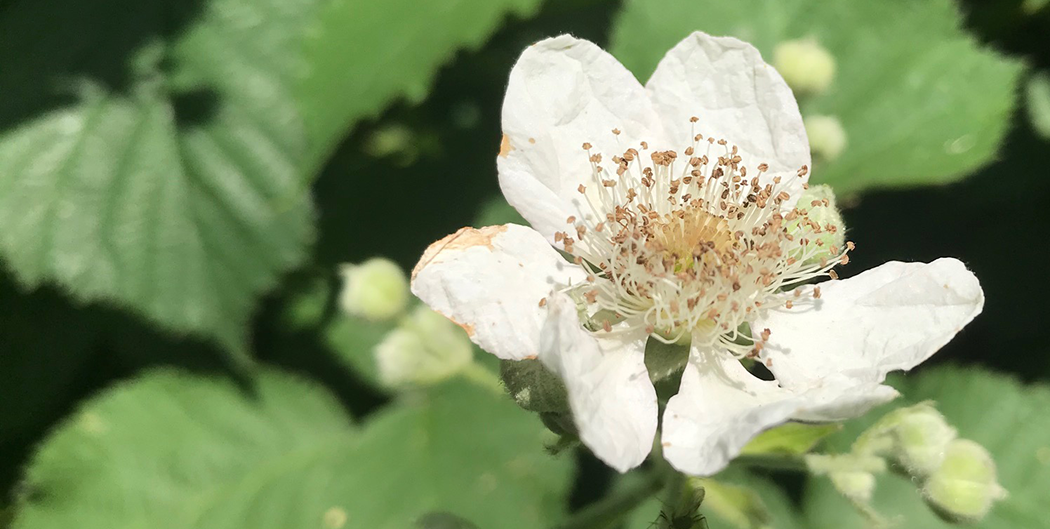
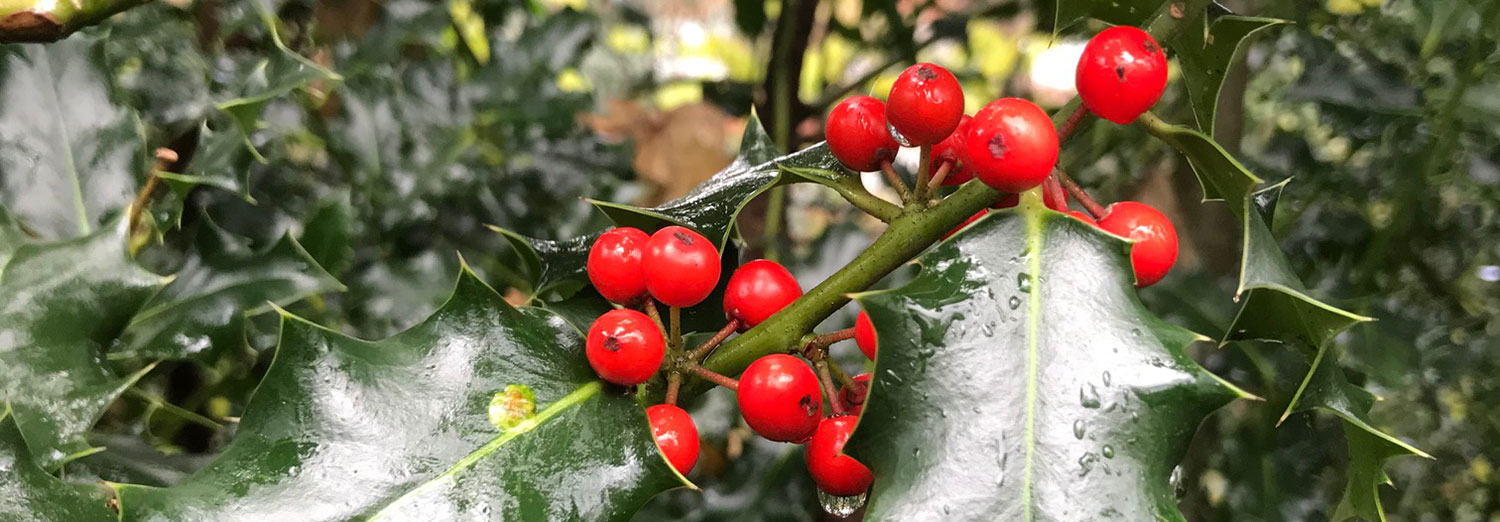
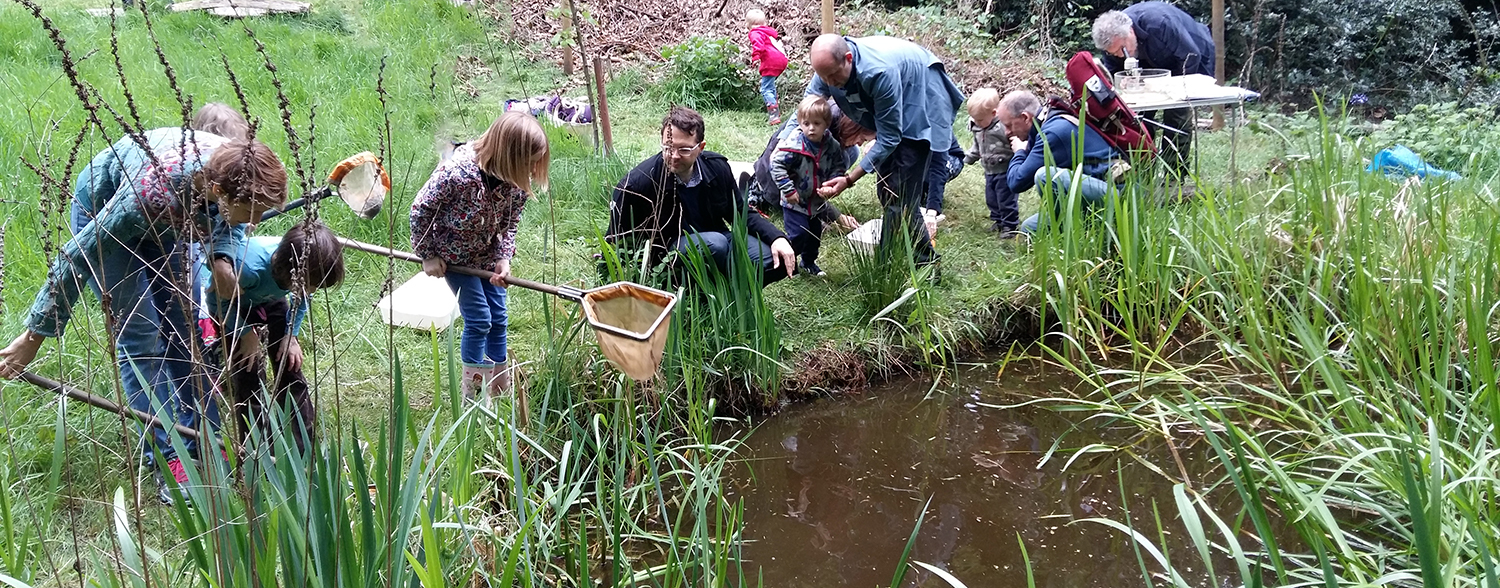
The Westcombe Woodlands is a compact urban nature reserve on the steep slope between Maze Hill, Vanbrugh Hill and Westcombe Park. Surrounded by housing and close to Maze Hill station, it offers an unusually wild pocket of habitat in a built-up part of Greenwich. The site covers approximately 1.72 hectares and is recognised as a Local Site of Importance for Nature Conservation. Its woodland is dominated by sycamore, with ash and other tree species, while holly, hawthorn and other shrubs form a dense understorey. Recorded ground flora includes cow parsley, lords-and-ladies and male-fern, alongside seasonal woodland flowers such as bluebells, primroses, violets and lesser celandine. Tawny owls and other birds have been recorded, and the Friends group continues to manage the site for biodiversity. This is not a conventional public park with unrestricted daily access. The woodland is privately managed by a local volunteer organisation, with entry generally limited to occasional supervised open days, organised visits and volunteer mornings. When open, visitors can follow informal paths through the trees to a central glade and pond. Recent open-day activities have included guided nature walks, pond dipping, children’s woodland crafts and opportunities to learn about local wildlife. Beehives and conservation work are also part of the site’s community programme, although these should not be treated as standard visitor facilities. The woodlands are particularly relevant locally because they survived the expansion of Westcombe Park and Maze Hill housing. Their steep, uneven ground was shaped by historic gravel extraction, making the site difficult to build on. Today, its importance lies in the combination of wildlife habitat, local history and community-led conservation rather than in formal landscaping or a large range of visitor amenities. Check the Friends’ website before travelling, as access dates are occasional and may change.

Worth knowing

Why visit?

Visit for a glimpse of genuinely wild Greenwich close to Maze Hill station. The reserve’s steep woodland, glade, pond and seasonal plants create a markedly different experience from the area’s streets and formal parks. Open days can include volunteer-led nature walks, pond dipping and children’s activities, making them the best opportunity to explore the site. It is also a useful place to understand how a difficult former gravel-pit landscape survived urban development and is now being cared for by local volunteers. Because ordinary access is restricted, the woodland is best approached as a special local opening rather than a drop-in park.

History & character

The Westcombe Woodlands occupy a steep scarpland created in part by historic gravel extraction. The Friends’ history account suggests that the uneven slopes were formed by human activity around the seventeenth century or earlier, after which some flatter areas were used for gardens, allotments and orchards. The site remained comparatively undeveloped while surrounding Westcombe Park and Maze Hill were built up from the nineteenth century onwards, partly because the terrain was unsuitable for construction. A substantial house, Woodlands House, once stood at the eastern end of the wider woodland area; it was later demolished and its site is now associated with modern housing. A 1906 view shows the woodlands south of Maze Hill station, with Woodlands House on the upper edge. The surviving woodland is therefore both a wildlife site and a remnant of the area’s former rural and estate landscape.

Gallery

Images are shown with source/photographer credit where supplied.
The Westcombe Woodlands
The Westcombe Woodlands · Official Website
The Westcombe Woodlands
The Westcombe Woodlands · Official Website
The Westcombe Woodlands
The Westcombe Woodlands · Official Website
The Westcombe Woodlands
The Westcombe Woodlands · Official Website
The Westcombe Woodlands
The Westcombe Woodlands · Official Website
The Westcombe Woodlands
The Westcombe Woodlands · Official Website

Visitor themes

What visitors commonly mention

★ 5.0 on Google · 6 ratings

Visitors commonly describe the Westcombe Woodlands as a small, surprising piece of wilderness within the built-up Maze Hill and Westcombe Park area. Recurring themes include its secluded character, seasonal changes, attractive woodland atmosphere and importance as a locally maintained green space. Reviewers also repeatedly indicate that the site is best visited when it is officially open, reflecting the reserve’s limited access rather than daily park-style availability. The supplied reviews are consistently positive, but they are few in number and largely focus on general impressions rather than practical details such as facilities, accessibility or transport.

hidden urban woodlandseasonal beautyvolunteer conservationlocal naturelimited openingpeaceful atmosphere

This section summarises recurring visitor themes; it is not an endorsement by Welcome to Blackheath & Greenwich.

Useful visitor tips

Check the official Friends website for an advertised open day before travelling.
Use Maze Hill station as the main public-transport reference point.
Wear sturdy, non-slip footwear for steep and informal paths.
Do not enter through residential areas when the woodland is closed.
Treat pond, beehives and conservation areas as supervised features.
Do not assume there are toilets, refreshments or seating outside organised events.
Consider visiting during spring for woodland flowers, subject to the published opening date.

The best of Blackheath & Greenwich, in your inbox

Local stories, new documentaries, places worth discovering, events and selected partner highlights.

By ticking the consent box and submitting, you are opting in to receive the newsletter. You can unsubscribe at any time. See our Privacy Notice.

Cookie Preferences

We use cookies to keep the site working, understand how it's used, and deliver relevant content. You can choose which non-essential cookies to allow.

You can change your preferences at any time via the Privacy Centre. See our Cookie Policy for details.