
Accessible Things to Do in Greenwich: A Practical Local Guide
Greenwich has plenty of rewarding days out for wheelchair users, visitors with limited mobility, families with buggies and anyone who prefers step-free or lower-effort outings. From free museums and accessible parks to riverside paths, The O2 and family attractions, here are some of the best options — with practical information on toilets, transport, terrain and access.

Greenwich is one of London’s best areas for a day out, but its historic streets, steep parkland and cobbled or uneven surfaces mean that accessibility can vary considerably from one attraction to the next. The good news is that there are plenty of places where visitors can enjoy the area without having to negotiate the steepest hills or rely on a long, complicated route.
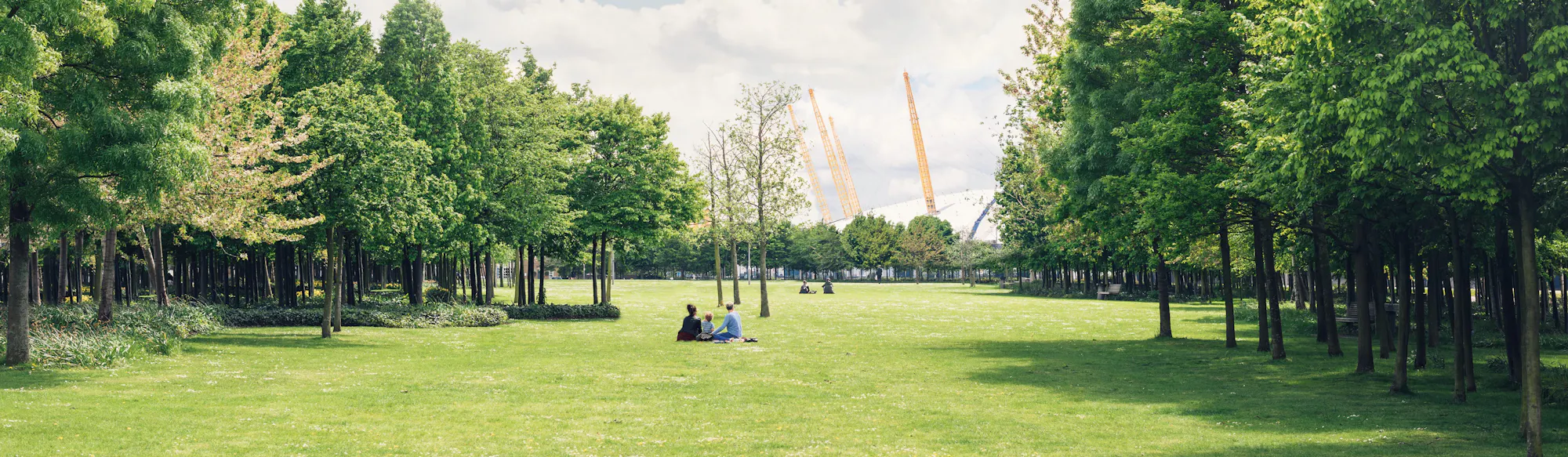
The most straightforward accessible days tend to centre on the riverside, Greenwich Peninsula and the flatter parts of Maritime Greenwich. The National Maritime Museum and Queen’s House offer free indoor culture, while Cutty Sark Gardens, the Thames Path and The Tide provide outdoor options. Greenwich Park remains well worth visiting, although it is a large, hilly landscape where route planning matters.




This guide focuses on verified places and practical details, including accessible toilets, step-free approaches, family facilities, dog rules and transport. Conditions can change because of maintenance, events or temporary closures, so it is always sensible to check with the venue before making a special journey.
Start with the flatter riverside attractions
For many visitors, the most manageable way to experience Greenwich is to begin beside the Thames. The Greenwich Riverside and Thames Path form a mostly level urban route linking Greenwich Pier, Cutty Sark Gardens, the Old Royal Naval College and the waterfront around Maritime Greenwich. It is not uniformly smooth or quiet — there are crossings, crowds, changing surfaces and occasional diversions — but it offers a flexible way to enjoy the area without committing to the climb into Greenwich Park.


Cutty Sark Gardens is a particularly useful arrival point. The civic riverside space is free to enter and open around the clock, with direct connections to Greenwich Pier, the Thames Path and Greenwich Foot Tunnel. A step-free route to the Cutty Sark area is available from King William Walk and Greenwich Pier, while an accessible public toilet with baby-changing facilities is listed at the gardens. The toilet has a small charge, with free access for Radar key holders.
The gardens themselves are a place to pause, watch river traffic and take in the Cutty Sark and Old Royal Naval College. The historic ship has separate admission and more complex access arrangements because of its original structure, so visitors who need detailed information should contact the attraction before booking. For a simpler visit, the gardens and surrounding waterfront still provide an excellent sense of Greenwich’s maritime setting.
Greenwich Foot Tunnel is another useful option, particularly for visitors who enjoy unusual engineering and short, self-contained experiences. The 370-metre pedestrian tunnel links Cutty Sark Gardens with Island Gardens across the Thames and usually takes around ten minutes to walk through. Lifts are provided at both ends, although lift availability can change, so check before relying on the tunnel as a step-free crossing. Cyclists must dismount and walk their bikes through the tunnel.
On the north bank, Island Gardens is mostly level and offers one of London’s finest views back towards the Old Royal Naval College, Queen’s House and Greenwich waterfront. The park is compact, free and suitable for a short riverside stop or picnic. If you are travelling with a wheelchair or mobility scooter, the park itself is likely to be easier than the tunnel approaches, so check the lift status and route conditions in advance.
Free museums with family-friendly facilities
The National Maritime Museum is one of the strongest accessible choices in Greenwich. Entry to the permanent collections is free, and the museum has accessible toilets, baby-changing facilities and a Changing Places toilet in the Sammy Ofer Wing. There are entrances on Romney Road and by Parkside, with lift access connecting the main levels.
The museum is large enough to reward several hours, but it is usually more enjoyable to choose a few galleries rather than trying to see everything in one visit. Highlights include the interactive Great Map, ship models, navigation displays and Nelson’s Trafalgar coat. The All Hands gallery is designed for children aged six to 12, while Small Hands caters for under-fives. AHOY!, the separate play gallery for younger children, has timed sessions and may have temporary closures or maintenance periods, so check before travelling.
Wheelchairs can be borrowed from the museum, although numbers are limited and advance booking is recommended. Staff do not provide personal assistance around the site, and special exhibitions or family galleries may have different arrangements. The museum is close to Maze Hill station, Greenwich station and Cutty Sark DLR, although the easiest station depends on your route and mobility needs.
Queen’s House, next door, is another free cultural option. Inigo Jones’s historic villa contains the Armada Portrait of Elizabeth I, maritime paintings, contemporary installations, the Great Hall and the famous Tulip Stairs. A level-access entrance is available at the Royal Gate, and accessible toilets are located in the Undercroft when that area is open.
Because Queen’s House is a historic building, access is not completely straightforward throughout. Some rooms and routes include steps, narrow circulation points or temporary restrictions during private events. Portable ramps may be available with staff assistance, so contact Royal Museums Greenwich ahead of time if you need a detailed access plan. The house is particularly useful because it sits on level ground beside the National Maritime Museum, with Greenwich Park immediately beyond.
Greenwich Park: beautiful, but plan the route
Greenwich Park is one of the area’s essential places, combining historic avenues, formal gardens, wildlife, cafés and London views across 74 hectares. It is free to enter and has accessible toilets at The Avenue, Blackheath Gates and by the playground. The Ignatius Sancho Café also has a Changing Places toilet.


The main challenge is the terrain. Greenwich Park contains steep hills, uneven ground and some stepped routes, particularly between the riverside museums and the Royal Observatory. The direct walk to the Observatory from the National Maritime Museum takes around 10 to 15 minutes but includes a significant climb. A less-steep route through the park takes longer, and buses serving the top of the park can reduce the uphill section.
Visitors who want the view without tackling the full climb should check the current park map and transport options before setting out. The mobility buggy operates on selected days during the main season, subject to volunteer availability, and does not operate from November to April. Blue Badge parking is available in designated spaces, although parking is limited to a maximum four-hour stay.
The park has several easier, lower-level areas. The Flower Garden offers seasonal planting, a lake and mature trees, while the Rose Garden has an accessible path leading into the formal beds. Dogs are not permitted in the Flower Garden, and dogs must be kept on leads in the Rose Garden. The Old Royal Observatory Garden is a quieter historic corner beneath the Observatory, but the hilltop location and surrounding routes remain challenging for anyone avoiding gradients.
The Greenwich Park Playground is one of the best family facilities in the borough. Designed for children up to 12, it includes ground-level and raised play elements, climbing equipment, slides, swings, sand and water play, seating, drinking water, children’s toilets, baby changing and an accessible toilet. Not every piece of equipment will suit every child, and individual features can close for maintenance, but it is a well-equipped destination for families who want inclusive play within a much larger green space.
Accessible options around Greenwich Peninsula
Greenwich Peninsula offers a modern contrast to Maritime Greenwich, with wider public spaces, contemporary architecture and several routes designed around newer development. The Tide is a free elevated riverside linear park with lift access at Tide Square and Peninsula Square. It is designed for pedestrians, mobility scooters and prams, although visitors should still expect changes in level and check the condition of lifts before travelling.
The Tide combines river views, public art and places to pause, making it a good choice for visitors who want an outdoor experience without the historic slopes of Greenwich Park. It can be linked with Central Park, The O2 and the Thames Path, although distances between Peninsula attractions can be longer than they appear on a map.

Greenwich Peninsula Ecology Park provides a different kind of outing. The inner wetland reserve is free to enter and has boardwalks, bird hides, interpretation and an adapted toilet with step-free access. Pushchairs can use the wooden boardwalks, although space may be restricted in places. The reserve includes a steep ramp, slopes, narrow sections and surfaces that can become slippery, and the outer boardwalk is currently subject to repair-related restrictions.
Dogs are not permitted inside the ecology park, apart from guide and assistance dogs. Families may enjoy the birdwatching and seasonal wildlife, but this is a nature reserve rather than a playground or fully surfaced urban park. Allow around 45 minutes to an hour for a relaxed visit and check current opening arrangements, which are generally Wednesday to Sunday, 10am to 5pm.
The O2 is another practical Peninsula option. The wider destination has accessible toilets, step-free access from North Greenwich Underground station and dedicated accessibility information for the arena. Individual concerts, attractions, restaurants and leisure venues have their own arrangements, so check the specific event before booking. The complex can become exceptionally busy on event nights, making extra travel time essential.
Quieter parks and heritage spaces
East Greenwich Pleasaunce is a useful lower-key alternative to the main tourist attractions. This enclosed park combines mature planting, a historic naval cemetery, a children’s playground, table tennis, a café and public toilets. Two accessible toilets with level access are listed beside the café. The park is described as dog-free, although assistance dogs are welcome.

The Pleasaunce is relatively compact and works well for a short visit, particularly for families who need somewhere with toilets and seating. It is not completely assessed here as a step-free destination, and seating is often positioned on grass rather than directly beside paths, so visitors with specific mobility requirements should check the route before travelling.
Charlton House Grounds and Peace Garden offer another valuable combination of heritage and green space. The historic gardens are free to visit and include walled gardens, a sensory garden, a Japanese-style herb garden, a pond garden and the Peace Garden. Charlton Park next door adds open lawns, a wheelchair-accessible playground, sports facilities, a skate park and an outdoor gym.


The available information confirms wheelchair access, but historic garden routes can include mixed paving, grass and narrower paths. Indoor access and café arrangements vary. The venue is also used for community events, some of which are specifically family-friendly and wheelchair-friendly, including seasonal activities at Charlton House.
Charlton Park is generally more practical for a mixed-age group than the hillier Maryon Park or Maryon Wilson Animal Park. Those places are rewarding but include slopes, uneven ground and woodland paths. If you want animals, woodland or a more rural-feeling outing, they may still be worthwhile, but they are not the easiest choices for a fully step-free day.
How to plan an accessible Greenwich day
The simplest itinerary is to choose one compact area rather than trying to cover the whole borough. For a flatter cultural day, start at Cutty Sark Gardens, visit the National Maritime Museum and Queen’s House, then continue along the waterfront. For a Peninsula day, combine The O2, The Tide and Central Park, adding the Ecology Park if the route and opening times suit you.
Greenwich Park is best treated as a planned destination. Check the route to the specific area you want, rather than assuming that every park entrance leads to an equally manageable path. If the Royal Observatory or General Wolfe viewpoint is essential, consider the less-steep route, a suitable bus, park parking or contacting the attraction in advance.
Accessible toilets are available at several major destinations, but they are not evenly distributed across the area. Cutty Sark Gardens, the National Maritime Museum, Greenwich Park, the Ecology Park and East Greenwich Pleasaunce all provide useful facilities, while smaller viewpoints and informal green spaces generally do not.
Finally, allow more time than a standard map estimate suggests. Greenwich is busy at weekends, the riverside can become crowded, and historic attractions may have temporary closures. A little advance planning can turn a complicated day into a relaxed one — and there is enough variety in Greenwich to build an enjoyable itinerary around almost any level of mobility.
Places featured in this story
Place to explore
One Tree Hill Vista Point
One Tree Hill is a quieter viewpoint on the eastern side of Greenwich Park, reached from Lovers’ Walk by a steep climb. The summit offers broad views towards the Thames,…
Place to explore
Statue of General James Wolfe
A Grade II listed statue of General James Wolfe stands beside the Royal Observatory at the top of Greenwich Park. It combines a significant local and Canadian historical…

Place to explore
St Alfege Park
A quiet, historic green space beside St Alfege Church in central Greenwich, with formal planting, mature trees, surviving gravestones, a children’s playground and a…
Useful answers


